

What benefits can solar energy bring to a home or business? What risks are associated with it? Consider the advantages and disadvantages of the solar energy industry.
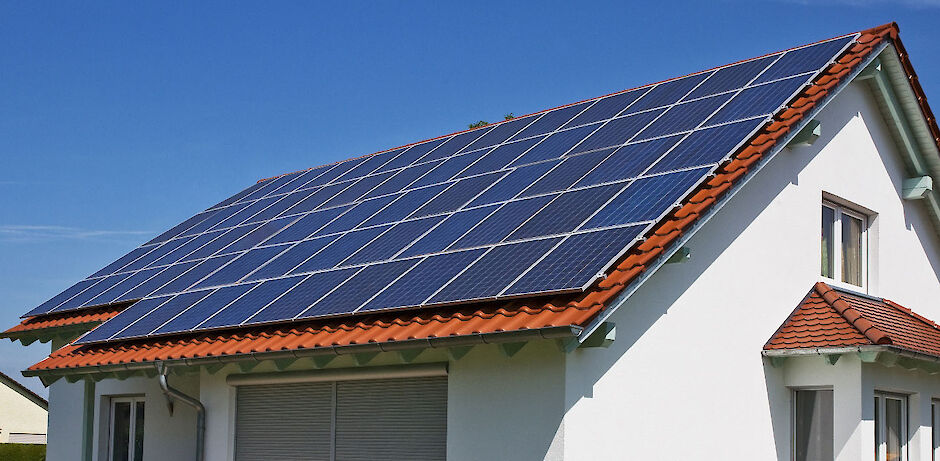
Will solar energy be worth it?
The use of solar radiation energy is becoming more and more popular every year. This applies not only to large companies but also to homeowners. Photovoltaic parks are increasingly being used as private power plants. The selection of solar modules on the market also appears attractive because their prices decrease compared to the cost of electricity and their efficiency increases. If we compare a modern set of 3kW solar panels with a set from ten years ago, it’s heaven and earth.
Solar collectors represent a renewable energy source that remains almost inexhaustible. Solar radiation can provide houses, apartments or companies with electricity and heat.
An important parameter of photovoltaic cells is solar radiation, i.e. annual solar radiation. In order for solar modules to fulfill their function, they need sunlight.
Another important parameter is the theoretical potential, which indicates the possibility of using solar energy for energy purposes. When calculating the actual possibilities of its consumption for municipal purposes, the geographical location, the efficiency of technological data or the possibility of storing energy in collectors are also taken into account.
Solar energy – advantages and disadvantages
Like most new technologies, alternative energy sources have their supporters and opponents. What are the advantages and disadvantages of using renewable solar energy sources?
Advantages of using solar energy:
Environmentally friendly solar energy, like most other renewable energy sources, is referred to as “green”. This means that it is eco-friendly and does not have a negative impact on the environment. Photovoltaics means no waste, saving fossil fuels and no pollutant emissions into the atmosphere.
It is an almost inexhaustible renewable source.
This offers independence from the growth of current market prices and commercial providers, however reducing energy costs requires a one-off investment. Although the photovoltaic system and the cost of its installation are not cheap, the price has decreased over the years and the cost of electricity on the market is increasing. Excess energy can be stored and sold to third parties. Solar energy can be used locally as it is available everywhere. The main thing is that the sun is shining.
Low operating costs – solar systems do not fail and have a decades-long guarantee. Investing in the future when selecting photovoltaic cells for a home or business allows you to adapt the installation to current standards and regulations. They will intensify over the years, with the aim of creating ever more energy efficient buildings.
Secure power supply at peak times – because the energy generated by solar panels is used exclusively by you, you are not affected by disruptions or delays in maintenance. For example, during rush hour when there may be traffic jams.
Disadvantages of using solar energy:
Energy depends on weather conditions – the less sun, the lower the efficiency. How much energy can be obtained from the sun is also influenced by daily and seasonal cycles.
Pollution – although solar energy is completely ecological and renewable, the process of panel formation leaves much to be desired. Opponents of use point out that toxic chemical elements (crystalline silicon, gallium arsenide, cadmium sulfide) are used to produce panels. Their production pollutes the environment to a certain extent.
High installation costs. Purchasing and installing a photovoltaic system is an investment. Panel spending could deter investors
Problems with storing more power – sometimes it is not possible to fully utilize the excess power from the panels. Possible solutions include storage in batteries. However, this requires the purchase and storage of additional equipment.
Features of using solar energy.
Solar energy has its advantages and disadvantages, but there are certainly more of them. Installing collectors is an investment that will pay off over the years not only for the portfolio, but also for the environment. Renewable energy sources ensure the good condition of nature and health and make you independent of rising electricity prices. Should you have them at home or at work? It seems that there can only be one answer.
